
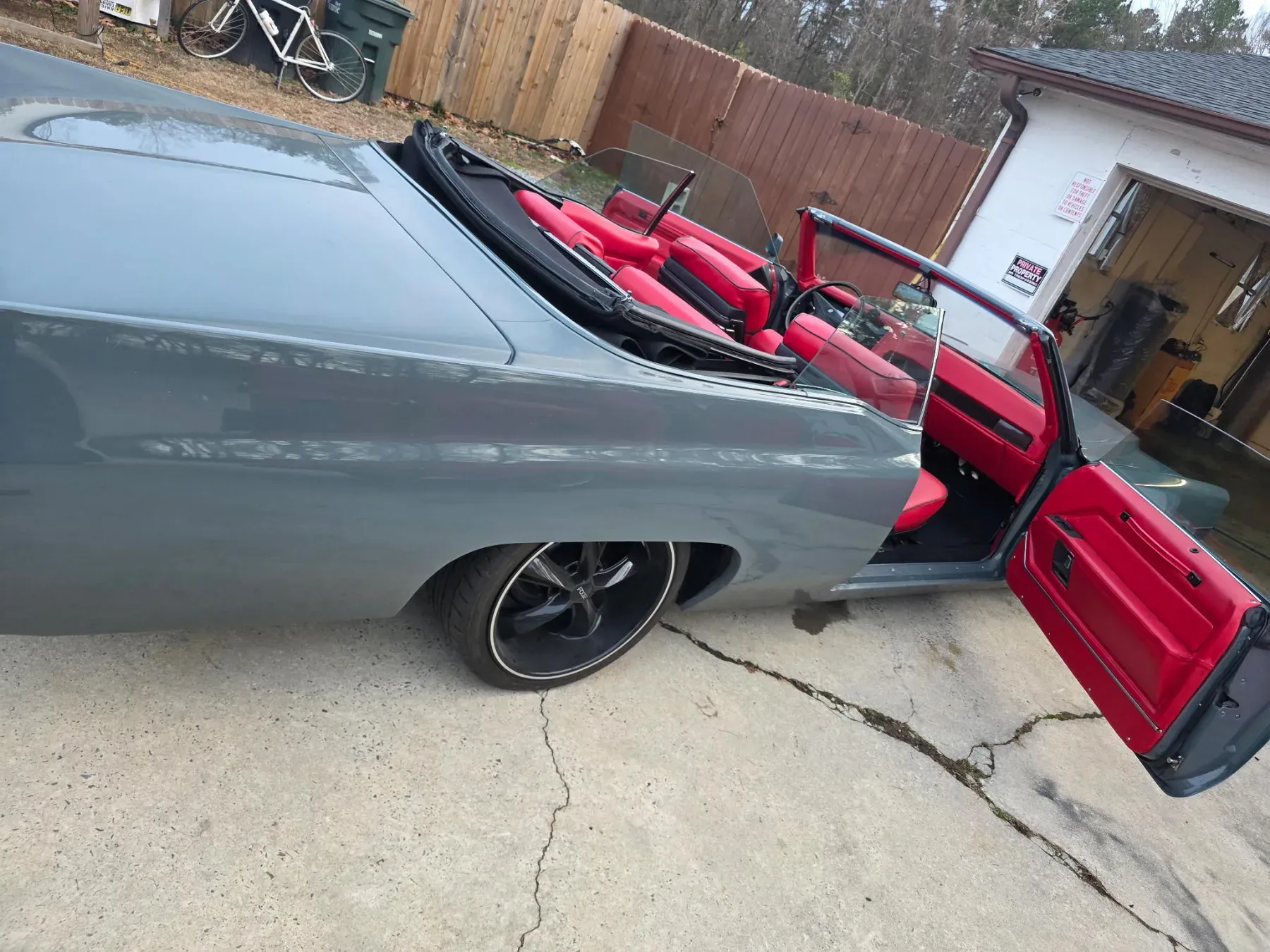
Every classic car interior restoration starts with one question, and it is not about colour or material. It is this: is this car going to shows, or is it going to be driven? The honest answer changes the entire material list, and it changes what the job costs.
Building for originality
For a show car we chase originality — correct grain patterns, correct stitch spacing, correct carpet weave, correct materials even where a modern equivalent would be easier to work with. Judges notice all of it, and so do serious buyers.
The constraint is that some original materials are simply no longer made. Where that happens we will show you the closest available option and tell you plainly where it differs, rather than quietly substituting something and hoping nobody looks.
Building for driving
For a car that gets used, we keep the period look and quietly improve everything you cannot see:
- Modern foam densities, so the seat still supports you after an hour
- Sound deadening under the carpet — the single biggest change to how an old car feels to drive
- Seat frames repaired properly rather than shimmed to hide a crack
- Better thread and stitch density at the wear points
From two feet away it reads as original. From the driver's seat it is a much better car to spend time in.
Component by component: where to be faithful, where to improve
The decision is rarely all-or-nothing. Most good interiors are original where it shows and modern where it does not:
| Component | Period-correct | Upgraded | Our usual advice |
|---|---|---|---|
| Seat covers | Correct grain, stitch spacing and pattern | Modern hide or vinyl, custom stitch | Stay correct — this is the part everyone actually looks at |
| Foam | Original densities, which were often poor when new | Modern multi-density foam | Upgrade almost always. Invisible, and it is the difference between a car you enjoy for an hour and one you do not |
| Carpet | Correct weave and binding | Modern loop or cut pile | Stay correct on a show car; either is defensible on a driver |
| Sound deadening | Little or none from the factory | Full modern barrier under the carpet | Upgrade. Nobody has ever regretted a quieter old car |
| Seat frames | Repair to original structure | Reinforced or rebuilt | Repair properly either way — never shim a cracked frame |
What this does to resale
There is a real trade-off here and it is worth being clear about. A documented, period-correct interior protects value on a car whose buyers care about matching numbers and correct trim. On a driver, a tasteful upgraded interior usually widens the pool of people who want it, because most buyers want to enjoy the car rather than preserve it.
Neither is the right answer universally. It depends on the car, and on what you intend to do with it.
You do not have to choose blind
We keep samples in the shop and can show you what period-correct and upgraded actually look and feel like side by side, on the bench, before anything is cut. Most people change their mind at least once at that table — which is exactly why we do it that way round.
Bring the car to Monroe and we will build the spec with you before any cutting starts. See our automotive upholstery page for the full range of interior work, or browse finished projects in the gallery.